Early intervention is the process of helping children with developmental challenges by providing targeted strategies to support their growth and successfully navigate life situations.
The goal is to maximise your child's potential and improve long-term outcomes by addressing developmental concerns at a crucial stage of growth.

Speech, Physical, OT, Social, Cognitive and Feeding
The earlier you act, the better the long-term outcomes
Begin with a digital assessment before stepping into a clinic
Parents are the most powerful force in early intervention
Intervention Support at Fairy Tales
Fairy Tales provides an online platform that lists early intervention centres near you — making it easy to discover, evaluate and connect with the right support for your child.
Browse a wide range of centres and individual therapists with all the essential information you need to guide the right choice — location, specialisation, experience and approach.
Discover dedicated therapists. Make an informed decision by choosing the right help based on your child's needs and the quality of support — guided by our platform.
Once you've made your choice, we'll help you connect with the centre or therapist and smoothly kick-start the intervention process — without unnecessary delay.
Know the Basics
Early intervention includes developmental therapies for children, integrated into structured programs and focused on measurable outcomes.
01
What could be worrying you?
Your 3-year-old has trouble forming sentences, your 1.5-year-old is only limited to saying "mom" or "dad", or your 9-month-old isn't babbling yet.
How intervention could help
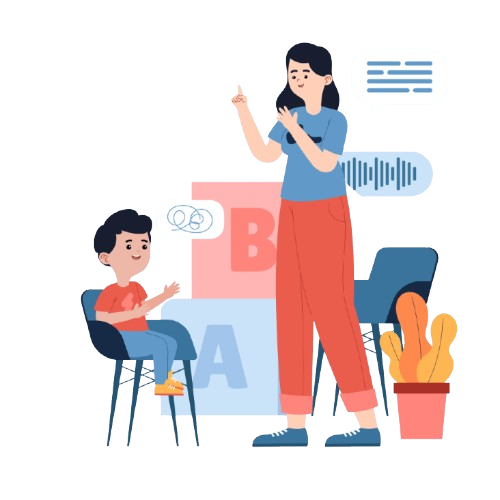
By nurturing both expressive and receptive language skills, therapists create a conducive environment that empowers your child to articulate their thoughts and connect with others.
02
What could be worrying you?
Your 2-year-old has difficulty climbing stairs, your 1.5-year-old isn't walking independently, or your 1-year-old isn't crawling as expected.
How intervention could help
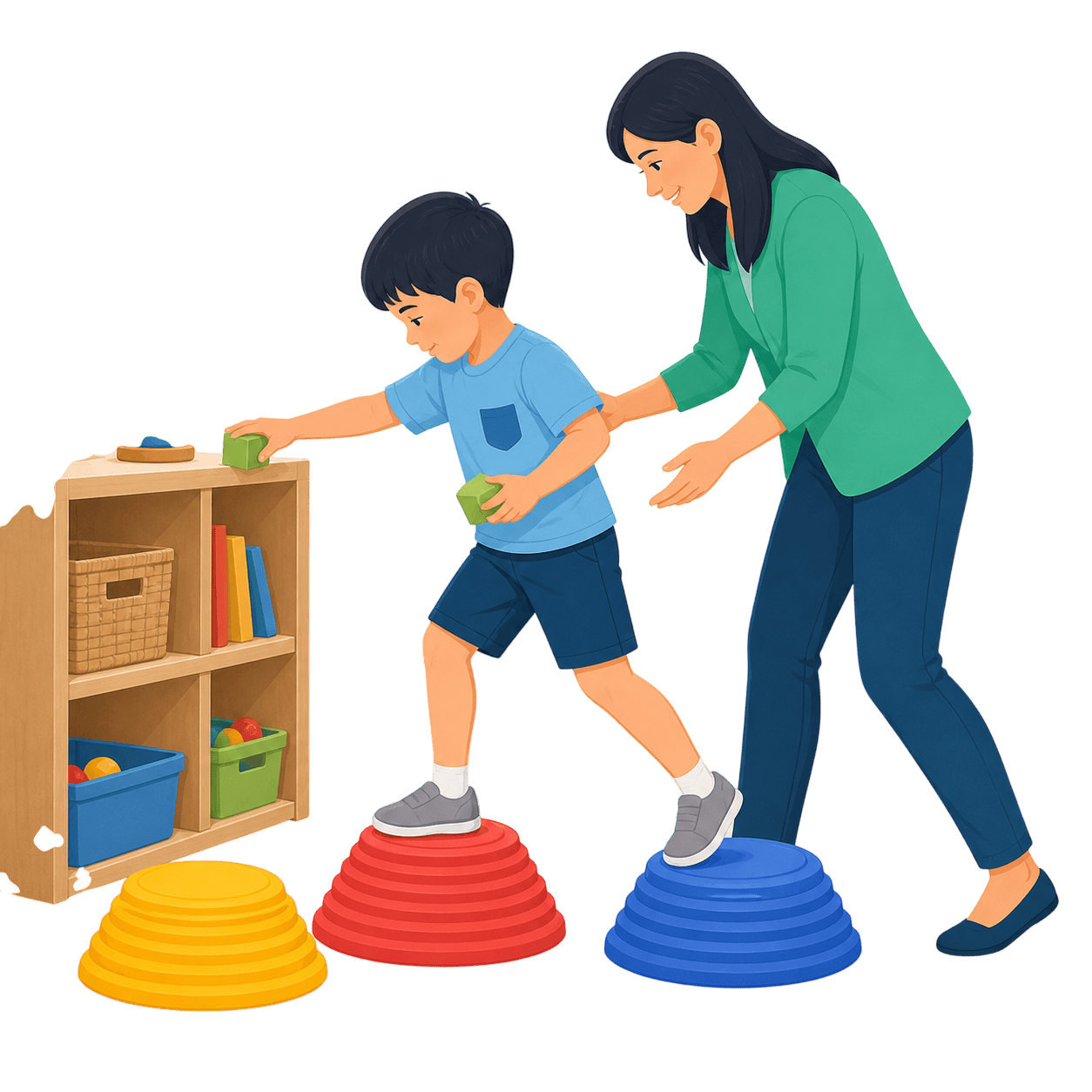
Physical therapies emphasise building strength and coordination. With playful activities and targeted exercises, therapists foster a supportive atmosphere that focuses on balance and posture.
03
What could be worrying you?
Your 4-year-old has difficulty dressing up, your 3-year-old struggles holding a spoon, or your 2-year-old isn't scribbling yet.
How intervention could help
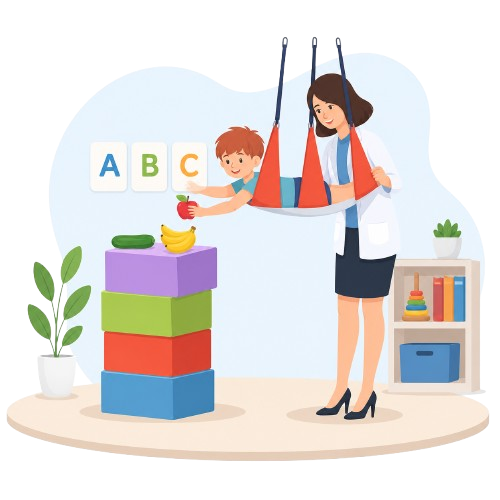
By focusing on hand and finger movement skills — while also helping children process the world through their senses — therapists develop interventions that enhance daily living skills.
04
What could be worrying you?
Your 4-year-old isn't comfortably interacting with the world, your 3-year-old doesn't mingle and play with peers, or your 1.5-year-old doesn't wave "bye-bye" yet.
How intervention could help
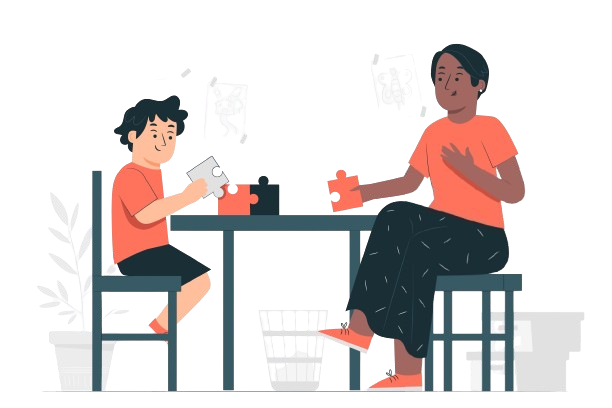
Intervention cultivates an environment where your child can engage in group activities, indulge in shared learning experiences, manage their emotions socially and foster new friendships.
05
What could be worrying you?
Your 5-year-old is troubled with writing or basic math, your 4-year-old has difficulty comprehending the rules of a game, or your 3-year-old isn't engaging in cross play yet.
How intervention could help
Skilled therapists help children enhance cognitive skills such as problem-solving, attention, and memory — while developing critical thinking, self-regulation and lifelong adaptability.
06
What could be worrying you?
Your 4-year-old is still struggling with chewing and swallowing, or your 3-year-old is too picky with food due to their strong reaction to taste and smell.
How intervention could help
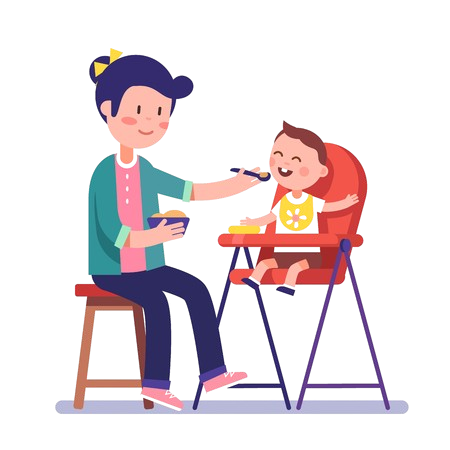
Therapists create positive mealtime experiences that encourage your child to explore new textures and flavours. Therapies improve feeding skills while promoting a healthier relationship with food.
Ready to take the next step?
Our intervention platform will be launching soon. In the meantime, book a preliminary assessment — understanding your child's developmental profile is the essential first step.